

We only recently wrote about the dismissal of the previous head of the Polish Film Institute, only to be forced to write about the PISF again, as it seems that the new government is attempting a hostile take over. In late October, the Polish film community found itself at the center of a firestorm when Karolina Rozwód, the newly appointed director of the Polish Film Institute (PISF), was abruptly dismissed. The dismissal, executed by Minister of Culture Hanna Wróblewska and her top film official, Maciej Dydo, occurred only four months into Ms. Rozwód’s tenure. Filmmakers had hoped her appointment would herald a new era of transparency and artistic independence following years of controversy under the previous director, Radosław Śmigulski, who is now under investigation for fraud. Instead, many now fear a return to an opaque, top-down system reminiscent of the old administration’s practices.
While the Ministry publicly cites procedural and legal violations, many filmmakers and observers believe the true reason lies in political and administrative control. In her interviews and public statements, Ms. Rozwód describes a persistent tug-of-war over who gets to decide which films receive funding. By pushing for transparency—such as limiting the director’s unilateral power, involving more independent experts, and rejecting informal “tips” about which projects to back – she appears to have challenged the Ministry’s de facto influence over the Institute.
In short, her attempt to shift decision-making away from one-person or politically steered authority toward a more open, expert-driven process likely ran counter to the Ministry’s desire to maintain tight control. The official allegations about signing the Ministranci contract and “continuing questionable practices” seem to have been the formal grounds for her dismissal, but the overarching conflict appears rooted in whether the Polish Film Institute would become truly independent or remain under the Ministry’s direct sway.
A Short Tenure, Abruptly Ended
Ms. Rozwód, who had formerly managed cultural institutions in Lublin, was expected to prioritize open and rigorous selection processes for funding. Soon after her arrival, however, she says she faced intense pressure from ministry officials. One high-ranking individual allegedly called to advise her which film “ought to” receive grants, a practice Ms. Rozwód found inappropriate. At the same time, she was overseeing contract negotiations for Ministranci (“The Altar Servers”), a feature by the acclaimed filmmaker Piotr Domalewski. Though the film’s funding had been provisionally approved under the previous administration, Ms. Rozwód was later accused by the ministry of improperly signing off on the contract.
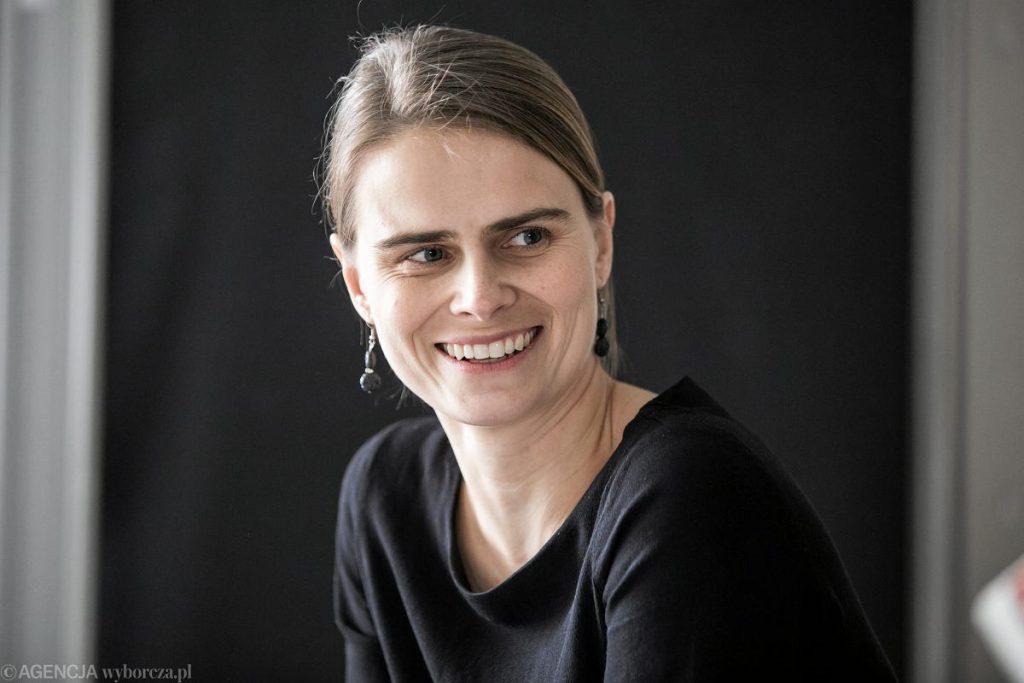
In an interview with the investigative outlet OKO.press, Ms. Rozwód recalled being summoned unexpectedly to the Ministry of Culture. She recounted a tense meeting in which she was told she could either resign or risk being reported to the prosecutor’s office for alleged violations of the Public Finance Act. Fearing irreparable harm to her reputation, she initially tendered her resignation. When she attempted to withdraw it and defend her actions, the ministry then proceeded with an official notification to prosecutors.
“I felt even more intimidated,” she told OKO.press. “If a minister believes they should file a complaint, they should do so openly, not threaten people behind closed doors.” She also spoke of her frustration that the decision to award the Ministranci grant was standard procedure; in her view, the film had cleared the necessary expert evaluations, and principal photography was already underway.
Mounting Allegations of Political Interference
The Polish Filmmakers’ Association (SFP) has decried Ms. Rozwód’s abrupt removal, describing it as further evidence of “political pressure” encroaching on the film institute. In a recent statement, the SFP expressed concern that this could undermine PISF’s founding principle: to support diverse cinematic projects on artistic merit rather than political considerations. industry representatives concur that the minister’s intervention appears designed to tighten governmental control over film funding, a fear underscored by the reinstatement of Kamila Dorbach, a close associate of Mr. Dydo, as well as the cultural vice-minister Andrzej Wyrobiec, as interim director. It is worth mentioning that Kamila Dorbach was working for PISF under Radosław Śmigulski 2019-2023 as a regular PR specialist.
Ms. Rozwód revealed that documents relevant to an investigation of the former director, Mr. Śmigulski, had gone missing at the institute. She pinned the disappearance on managerial oversights and criticized the ministry for failing to protect potentially incriminating records. In numerous interviews, she has also emphasized the need for PISF to be guided by independent experts rather than single-person decisions. “I wanted to lessen the director’s arbitrariness,” she told Gazeta Wyborcza, “so the ministry could not exert undue pressure to finance specific projects.”
Yet for many film professionals, the stakes are higher than one director’s fate. A young independent Polish filmmaker who wishes to remain anonymous recalls the former administration’s alleged misuse of funds and lack of accountability, ‘blessed’ by the former Ministry of Culture, calling Ms. Rozwód’s removal “another sign that these old habits die hard.” Filmmakers, he says, had hoped that the country’s changing political landscape after the 15 Oct 2023 elections would usher in new standards of governance at PISF, as well as at the Ministry!
With Ms. Rozwód’s dismissal now endorsed by the PISF Council [though, it turns out that they did not have all relevant documents at their disposal], her legal recourses narrow. She has vowed to file law suit against the Ministry for illegal dismissal and against Minister Wróblewska for defamation, claiming that public statements about her alleged misconduct are baseless and damaging to her reputation. Meanwhile, the film institute continues to disburse large sums of public money—nearly 600 million złotys in 2024 alone—under a leadership arrangement that some in the industry see as a step backward.
For now, the Polish Filmmakers’ Association, along with a coalition of producers, directors, and festival organizers, is pushing for swift legislative changes that would codify PISF’s independence from political influence. They argue that the future of Polish cinema depends on a structure that ensures funding decisions are made openly, guided by rigorous evaluations of artistic merit, and upheld by transparent procedures. “We have suffered enough,” said our young anonymous source, echoing many of his colleagues. “If ever there was a moment to secure a truly independent film institute, that moment is now.”


Write a Comment